5 Reasons for Cracks in Your Basement Wall
Foundation problems are among the most serious structural concerns a homeowner can face. So, it’s completely natural to feel alarmed when you notice
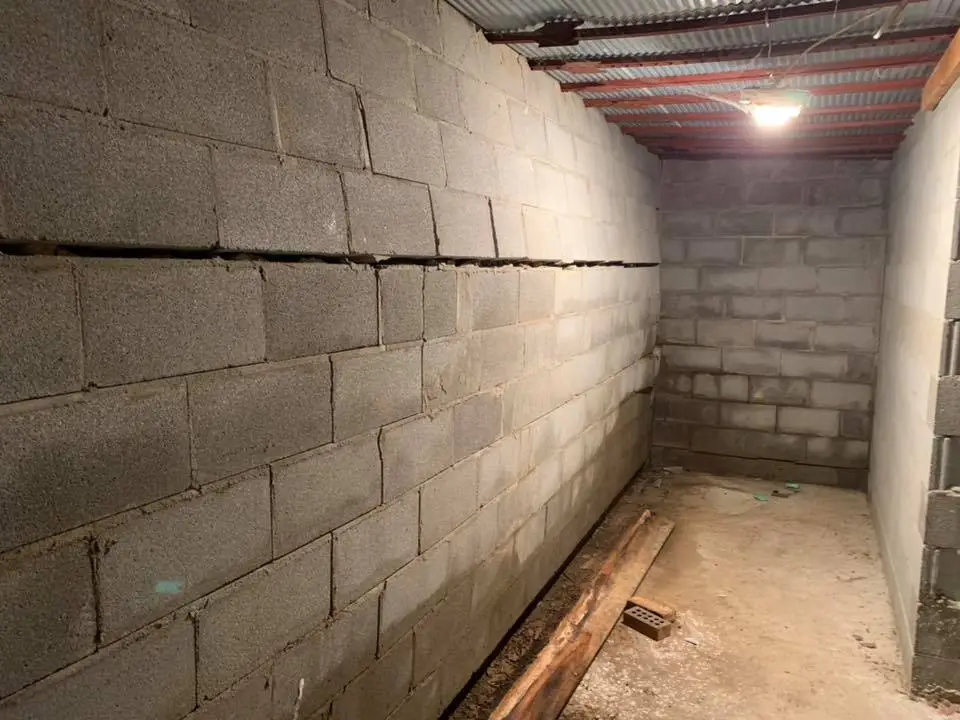
Foundation problems are among the most serious structural concerns a homeowner can face. So, it’s completely natural to feel alarmed when you notice cracks forming in your basement walls. But not every crack is a sign of major foundation failure.
Should you panic the moment you spot one? Are basement wall cracks always dangerous? Or can some cracks be safely monitored without immediate repair?
To help you make informed decisions, let’s take a closer look at why basement wall cracks form, what they mean, and when they may signal serious foundation problems.
Why Do Basement Wall Cracks Form?
Basement wall cracks can develop for many reasons, ranging from normal settling to structural stress. Below are the five most common causes homeowners should be aware of.
1. Basement Repairs and Renovations
Have you completed any renovation projects in your basement that required drilling into the walls?
Installing new sewer lines, electrical wiring, plumbing, or gas lines often involves drilling through concrete foundation walls. While this is sometimes necessary, drilling can weaken the surrounding concrete and create stress points that eventually turn into cracks.
These cracks often appear near window corners or along drilled areas, where stress naturally concentrates. During a professional foundation inspection, these areas are typically examined first.
2. Excessively Wet Soil Around the Foundation
When the soil beneath and around your home becomes oversaturated, it can lose its ability to properly support the foundation. This can cause the footings (the structures that support your basement walls) to shift or sink.
Poor drainage significantly worsens this issue. Common contributors include:
Clogged or overflowing gutters
Downspouts that discharge water too close to the foundation
Improper grading around the home
Prevention tip: Keep gutters clean and ensure downspouts extend at least six feet away from your home to redirect water safely.
3. Soil That’s Too Dry
Just as excess moisture can cause problems, dry soil can be equally damaging. During drought conditions, the soil beneath your foundation can shrink and pull away from the footings.
When this happens, the foundation may settle unevenly, placing stress on basement walls. Over time, this stress can cause walls to shift outward, stretch, and crack.
This type of movement is especially common in regions with expansive clay soils that expand when wet and contract when dry.
4. Concrete Expansion and Contraction
Concrete naturally expands when exposed to moisture and contracts as it dries. If concrete isn’t mixed, poured, or cured properly during construction, it becomes more vulnerable to cracking.
Temperature changes, seasonal moisture fluctuations, and freeze-thaw cycles all contribute to this ongoing expansion and contraction. Over time, these repeated movements can weaken the concrete and cause visible cracks in the basement walls.
5. Construction Timing and Natural Aging
In some cases, foundation cracks stem from issues during the original construction. For example, if contractors run out of concrete mid-pour and resume later, cold joints can form. These weak points allow water intrusion and compromise structural integrity.
Additionally, all concrete foundations age over time. As concrete naturally loses strength, small cracks may form, especially in older homes. While aging-related cracks aren’t always dangerous, they should still be monitored.
Basement Wall Cracks: Are They Signs of Serious Foundation Problems?
Not all basement wall cracks are cause for alarm. Understanding the type, size, and direction of a crack is key to assessing its severity.
Generally, Less Concerning Cracks
Vertical cracks
Diagonal cracks
Zigzag (step) cracks
Cracks ⅛ inch wide or smaller
These often result from normal settling or minor shrinkage and may not require immediate repair. However, they should still be monitored for changes over time.
Cracks That Signal Serious Issues
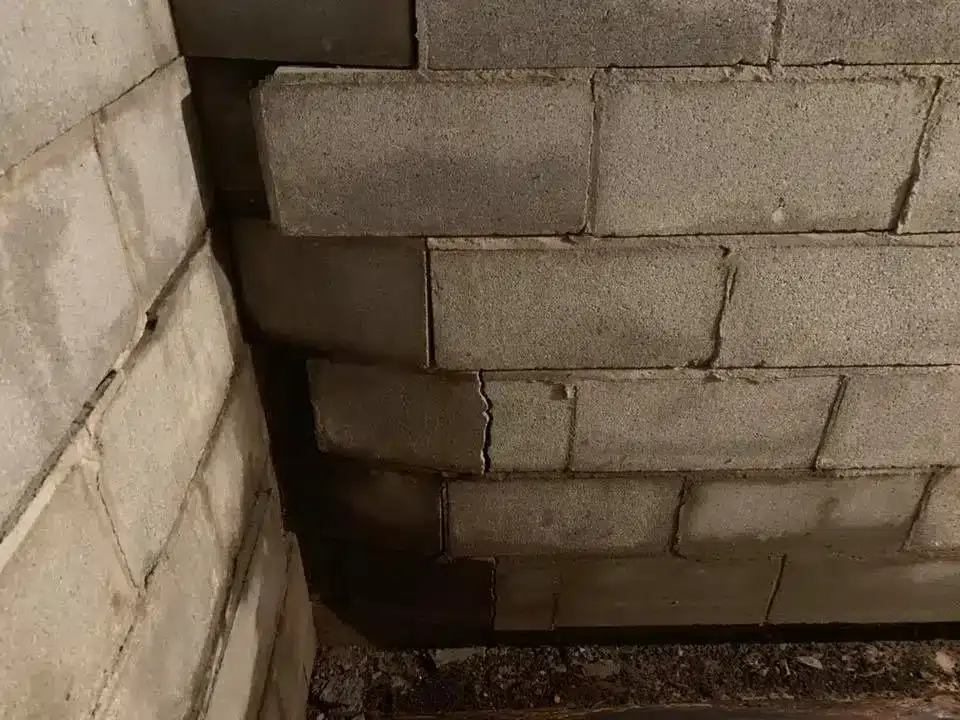
Horizontal cracks are the most concerning type of basement wall crack. These often indicate excessive pressure from surrounding soil and can be a sign of structural foundation failure.
If you notice horizontal cracking, bowing walls, or widening cracks, do not delay. These issues typically worsen over time and can compromise the safety of your home.
Hiring a Professional for Cracks in Your Basement Wall
If you notice basement wall cracks, or any other signs of foundation problems, we recommend calling a foundation repair professionals.
After all, even minor cracks should be sealed. Otherwise, they allow water inside, leading to the buildup of moisture and subsequent water damage. Additionally, basement bugs can enter your home through tiny openings. Moreover, if cracked foundation walls are left alone, they’ll worsen over time and can lead to significant foundation problems.
Foundations that are seriously damaged sometimes result in bowed walls, sagging floors, shifting chimneys, and homes that are too unsafe to live in. The sooner you get major cracks repaired, the less likely you’ll face costly structural damage.
At Ground Up Foundation Repair, our foundation experts specialize in repairing crawl spaces, foundations, and basement walls. We can fix basement wall cracks of all shapes and sizes and protect your home’s investment. Contact us to schedule a free inspection.