
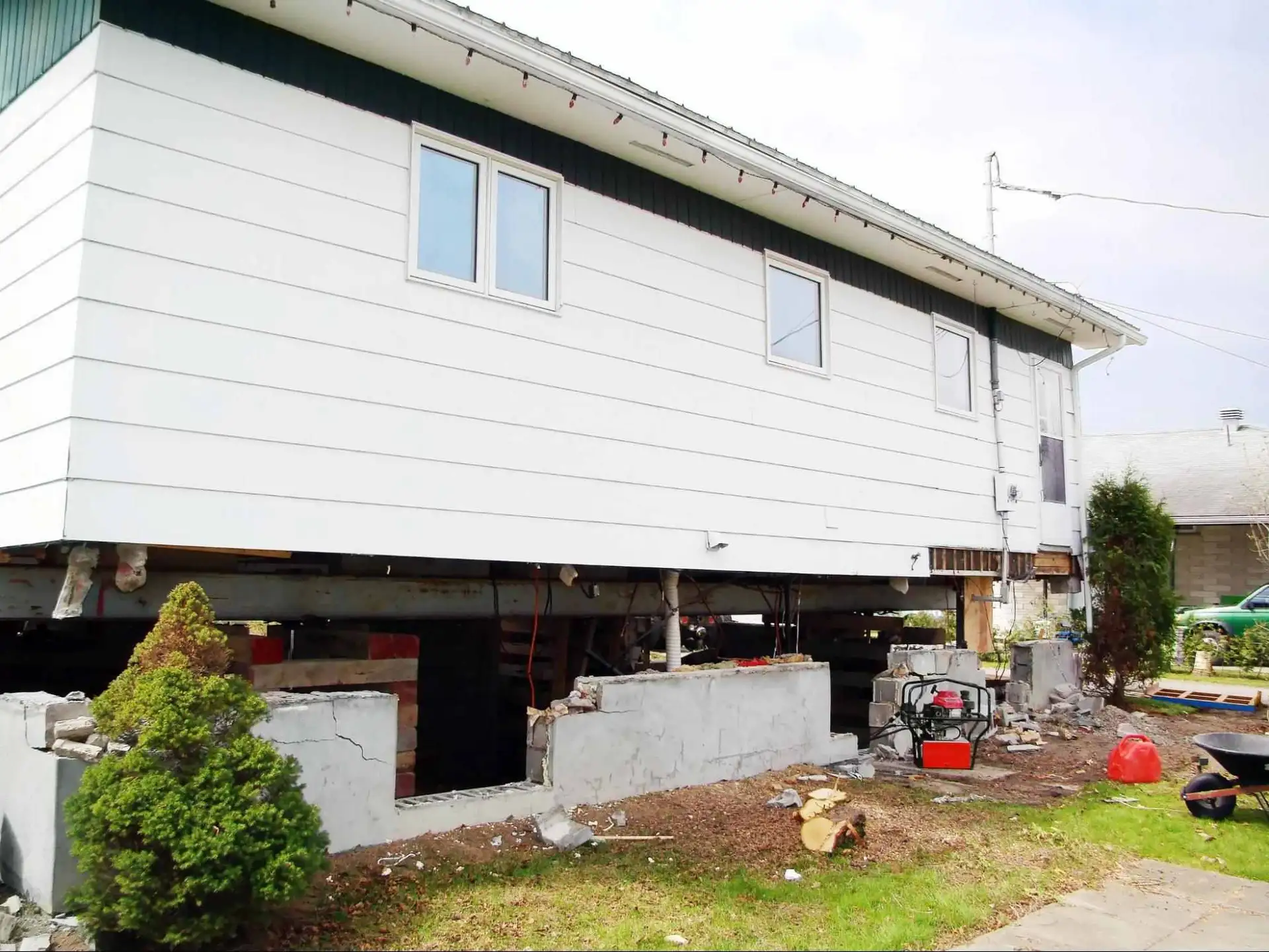
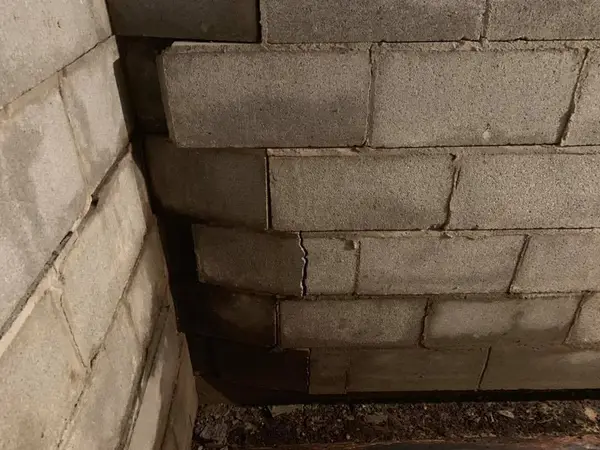
Concrete block foundation walls crack in predictable patterns depending on the cause.
Identified, explained, and diagnosed by specialists who see them every day across Middle Tennessee. Free on-site inspections, honest triage.
All warning signs
Each page explains what usually causes the sign, how serious it tends to be, and the repairs that address it. Every inspection is free and ends with a written estimate.
Concrete block foundation walls crack in predictable patterns depending on the cause.
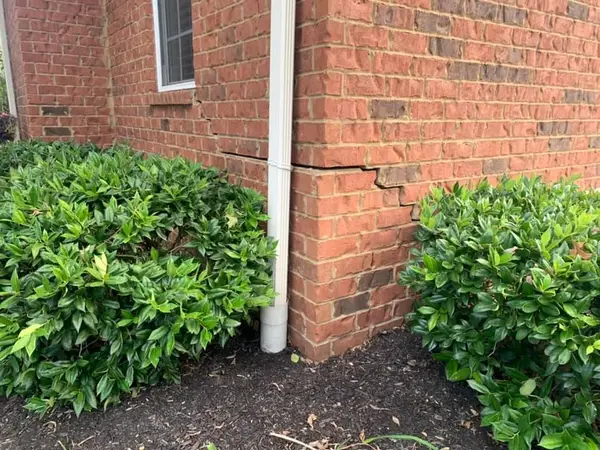
Most visible cracks in brick veneer are not masonry problems.
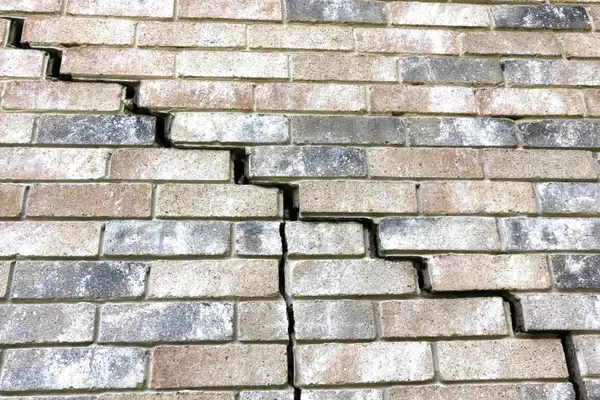
When cracks zigzag along mortar joints in a staircase pattern, the foundation beneath that section of wall is moving.
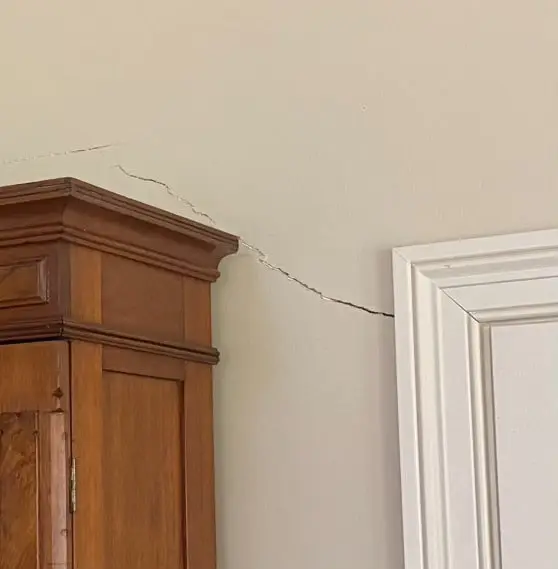
45-degree cracks at corners of windows, doors, and walls are one of the most reliable visual indicators of differential foundation movement.
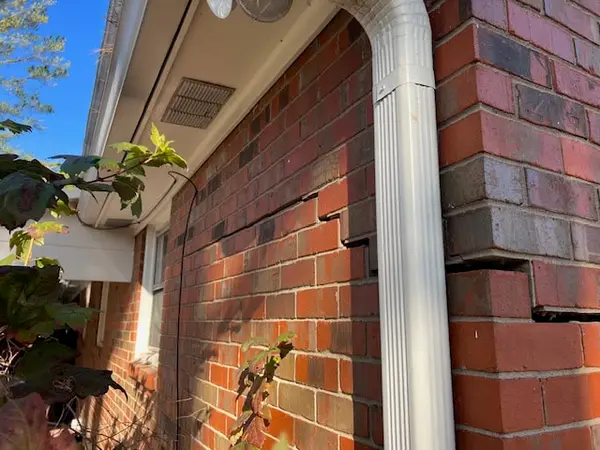
Not all cracks are equal, orientation, width, and displacement tell you what the foundation is doing and how urgently it needs attention.
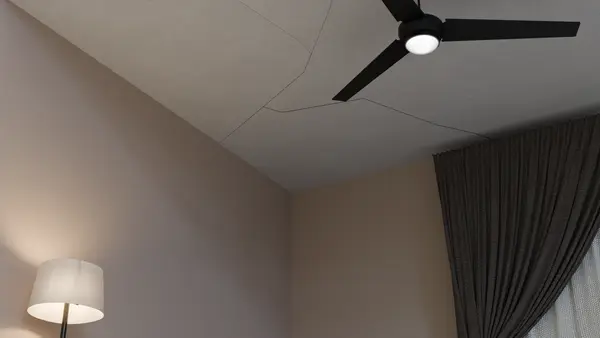
Hairline cracks in fresh drywall are often normal settling.
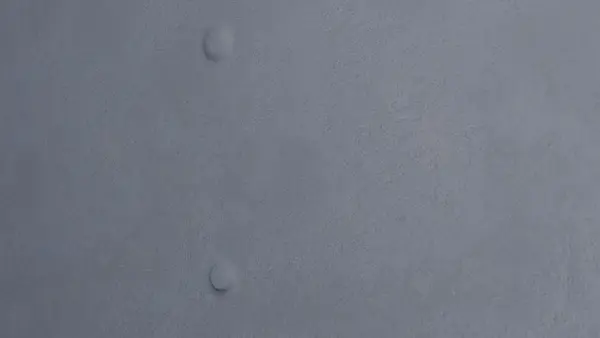
Knowing the difference between normal settlement cracks in new construction and stress fractures caused by ongoing foundation movement is the first step toward the right response.
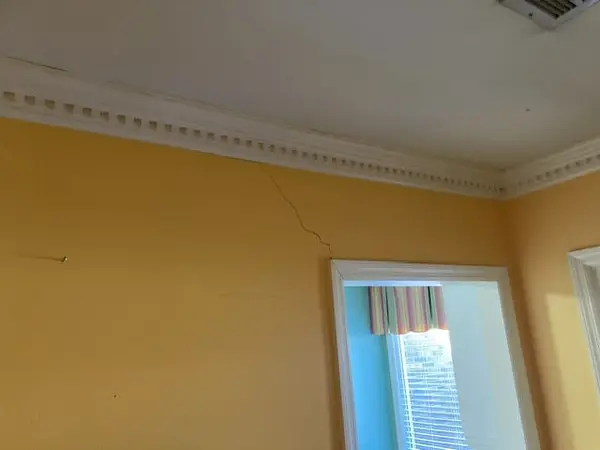
The locations where cracks appear inside a home are not random.
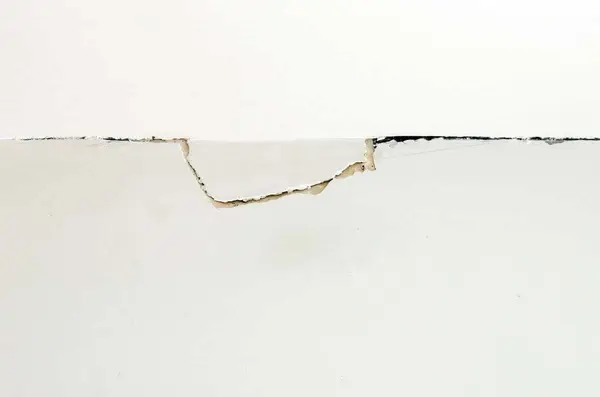
When a gap opens along the joint where a wall meets the ceiling, especially if it widens over time, the structure is racking under differential foundation movement.
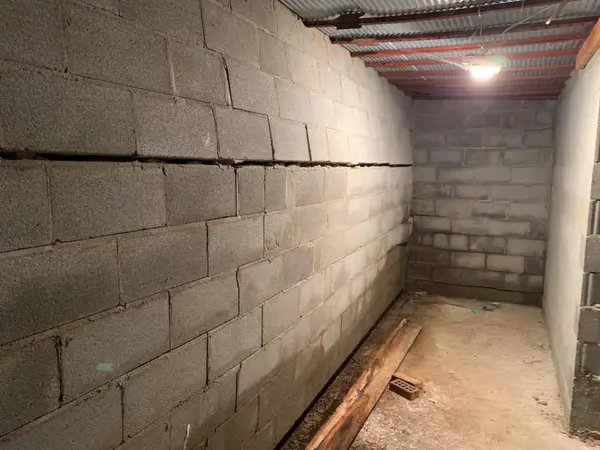
Inward wall movement is a structural warning sign, and it gets harder to fix the longer you wait.
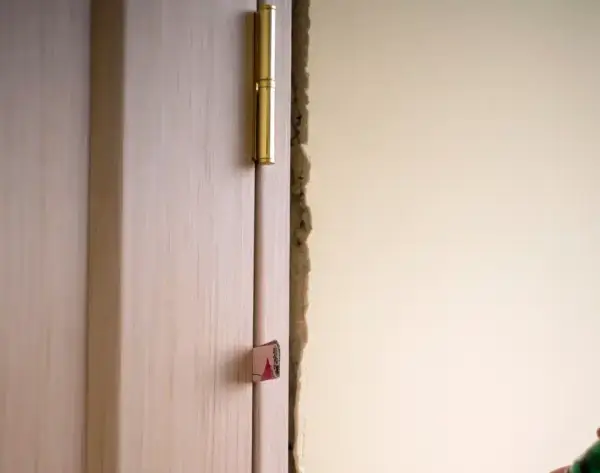
When a foundation shifts or settles, the door frames shift with it, going out of square and causing the door to bind, stick at the top or bottom, or leave visible gaps in the frame.
Wood swells in Tennessee summers, but if the problem persists year-round or is getting worse, the foundation may be moving.
Doors and windows that stick are often blamed on humidity.
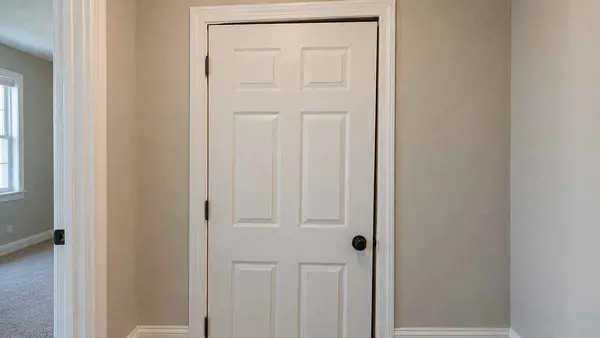
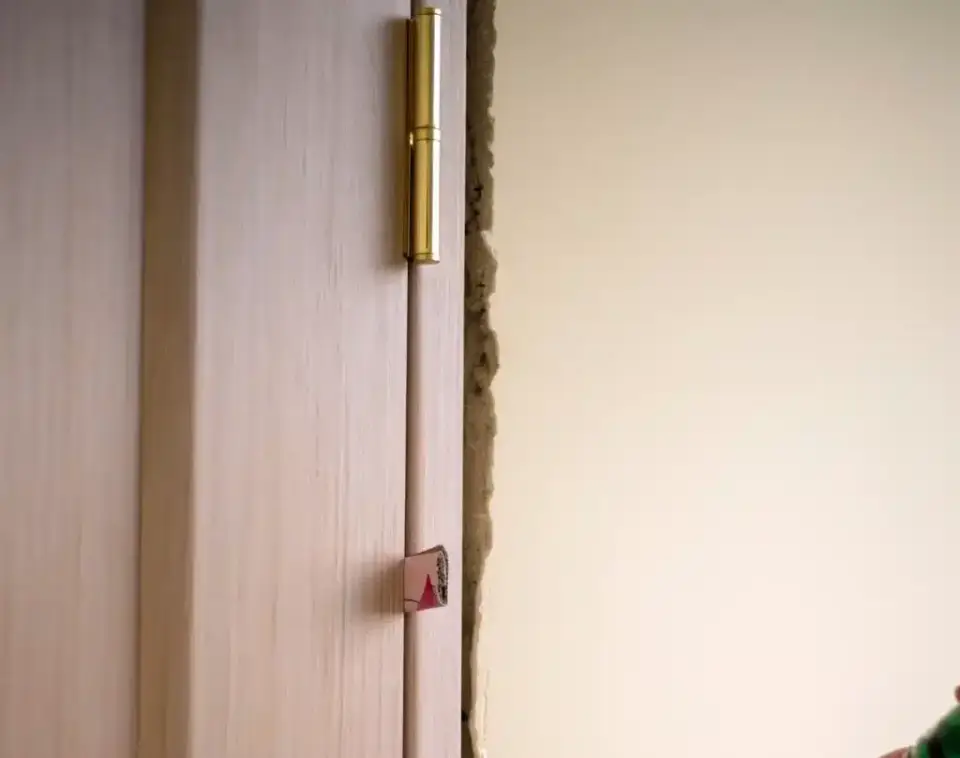
When the space between a door or window frame and the surrounding drywall or trim opens up, the framing is being pulled apart by movement below the floor.
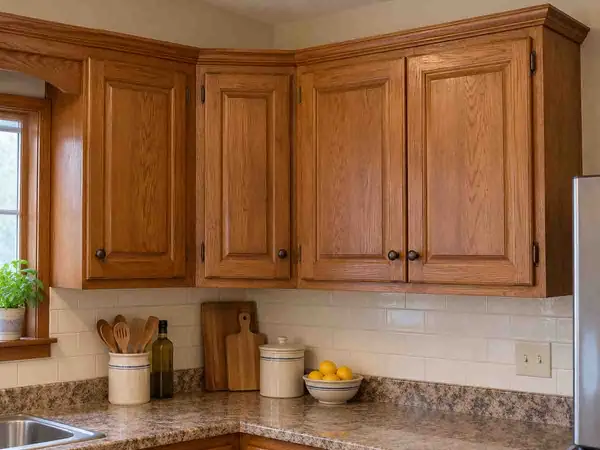
When cabinets separate from the wall or ceiling without any visible cause, the structure behind them is moving.
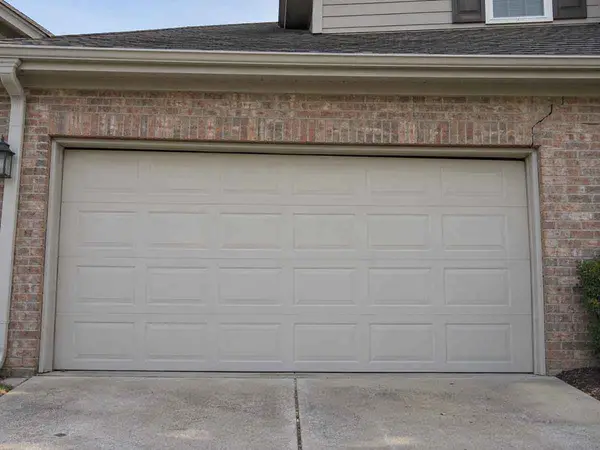
The horizontal beam above a garage door opening carries significant structural load.
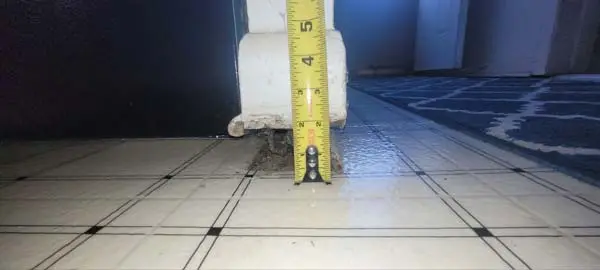
Sloping floors can mean slab settlement, failed crawl space piers, or wood decay, each requiring a different repair approach.
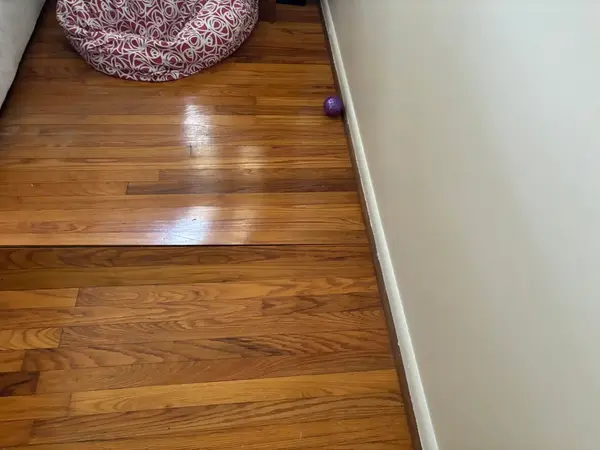
A floor that has developed a noticeable sag, slope, or bounce is no longer supported as designed, and the cause is almost always in the foundation or crawl space framing beneath it.
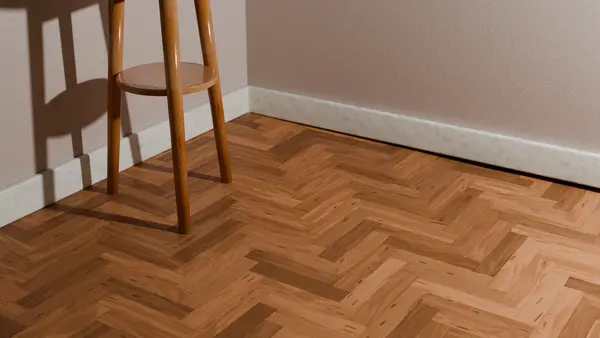
Floors that flex, bounce, or feel spongy underfoot usually point to structural deficiencies in the crawl space below, not the finish floor above.
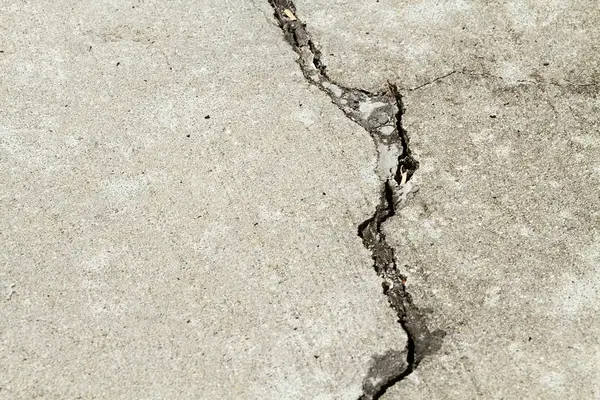
Hairline shrinkage cracks are normal in concrete slabs.
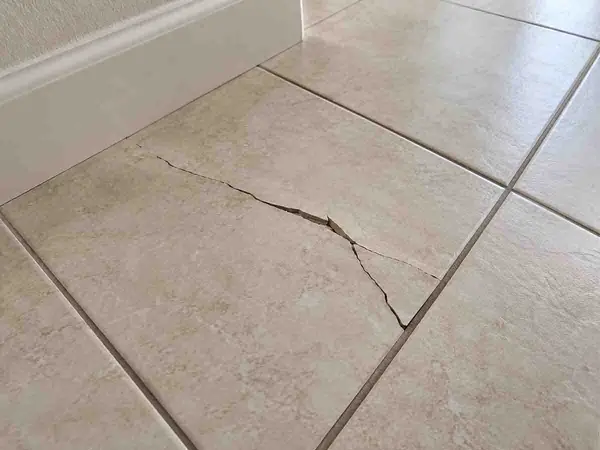
Tile and grout cracks are common, but a crack that runs across multiple tiles in a straight line is telling you the slab moved beneath them.
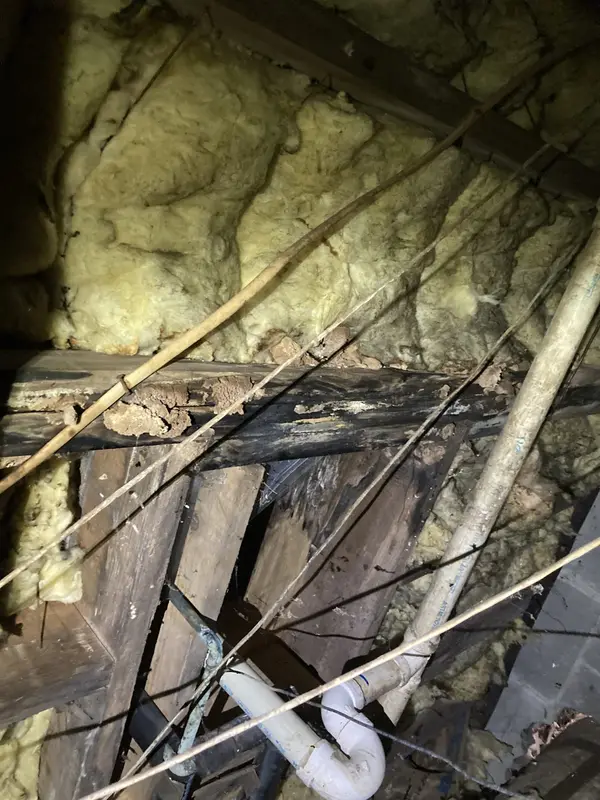
Wood rot in a crawl space doesn't announce itself, by the time you notice the bounce or the smell, the damage has often been progressing for years.

Termites attack the framing closest to the ground first.
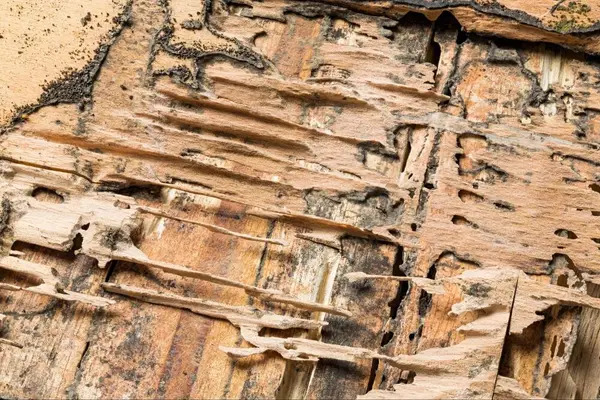
Carpenter ants don't eat wood, but they nest in it.
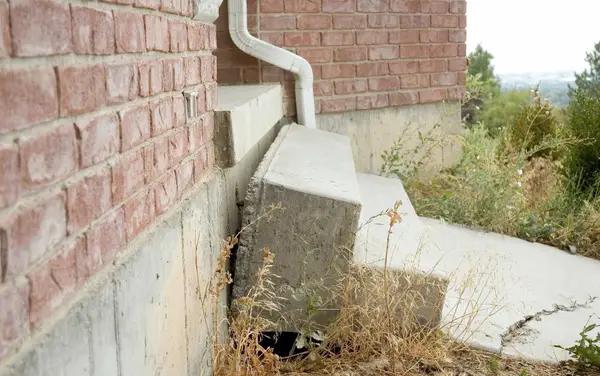
When the soil beneath your foundation compresses or shifts, the structure above moves with it, causing cracks, misaligned doors and windows, and uneven floors that worsen without intervention.
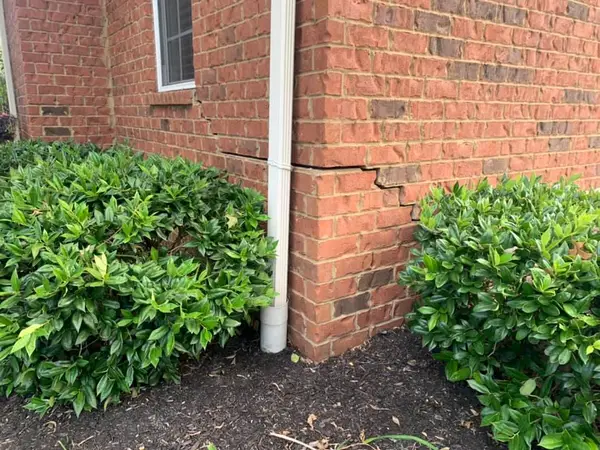
Foundation settlement in Middle Tennessee is driven by clay soil movement, and it rarely stops on its own without intervention.
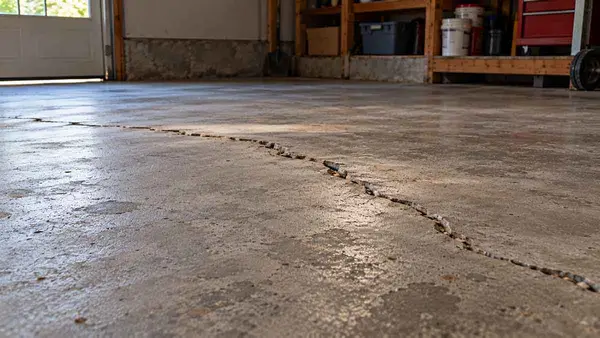
Unlike settlement, upheaval raises parts of the foundation, it's typically caused by expansive clay soil swelling after moisture exposure.

Expansive soils that swell when wet and shrink when dry create ongoing cyclic stress on foundations, causing heave, settlement, wall cracking, and the progressive structural damage that comes from a foundation in constant motion.
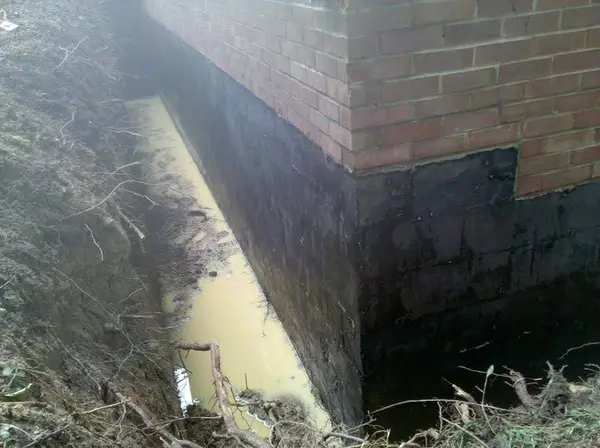
Most foundation movement in Middle Tennessee traces back to water, too much next to the foundation, or inconsistent moisture cycling the clay beneath it.
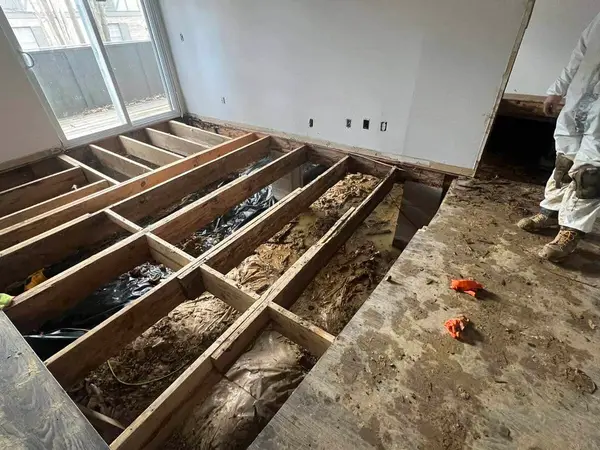
Flooding doesn't just damage finishes, it saturates foundation soils, erodes support, and accelerates settlement that may not become visible for months.
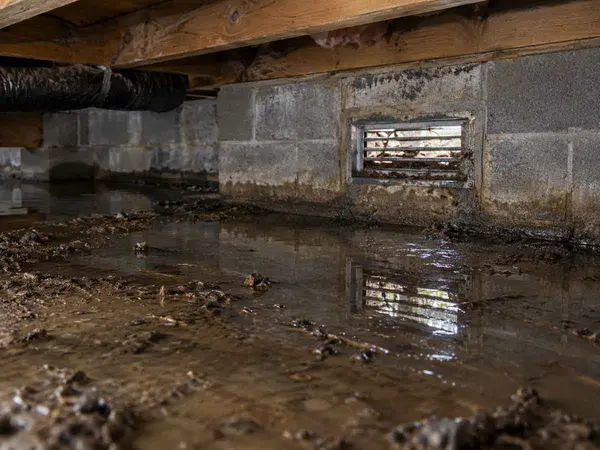
Flood vents are engineered to equalize hydrostatic pressure, the force of floodwater pushing against a foundation wall, during flood events.
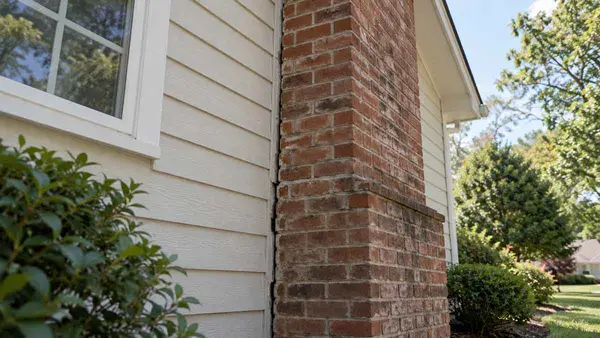
Most leaning chimneys in Middle Tennessee are not masonry failures.
Quick check
Pick what you are seeing. We will tell you what it usually means, how soon to act, and the next step.
Why Ground Up
Get several quotes and you'll see a wide range of prices. The gap isn't luck. It's whether the contractor finds the actual cause and stands behind the work.
Where we work
From red-clay Rutherford County soil to Nashville’s high water tables and Cookeville’s karst limestone, we know the ground beneath your home.
Also serving: La Vergne, Hendersonville, Gallatin, Lebanon, Clarksville, Tullahoma, Nolensville, Antioch + 102 more cities →
Our Process
A local specialist visits, evaluates the foundation, and answers your questions on site, no cost, no obligation.
We sort every finding into urgent, planned, or monitor and send a scope tailored to your home, usually within one business day.
Our certified crews complete the work on schedule and back it with a lifetime transferable warranty on piered sections.
Free guide
Your guide is on its way.
Check your inbox for an email from Ground Up Foundation Repair. If it is not there in a few minutes, check your spam or promotions folder.
Resources
Foundation Repair  Foundation Repair
 Foundation Repair
A specialist will inspect, explain every finding, and send a written estimate. Free, no pressure.