Is Crawl Space Encapsulation Worth It in Middle Tennessee?
Encapsulation is worth it for Middle Tennessee homes with a chronic moisture problem, and not for every home. Here is how to tell which group yours is in.
Crawl space encapsulation is worth it for most Middle Tennessee homes with a moisture problem that keeps coming back, and it is not worth it for homes that stay dry on their own. The deciding factor is not how old your house is or how big the crawl space is. It is whether humidity and water return after you fix the obvious causes outside.
That is a harder answer than most companies give, and it is the honest one. Below is what encapsulation actually covers, what it does well, what it does not do, and how to tell whether your crawl space is a job for this year, next year, or just something to keep an eye on.
What Crawl Space Encapsulation Actually Includes
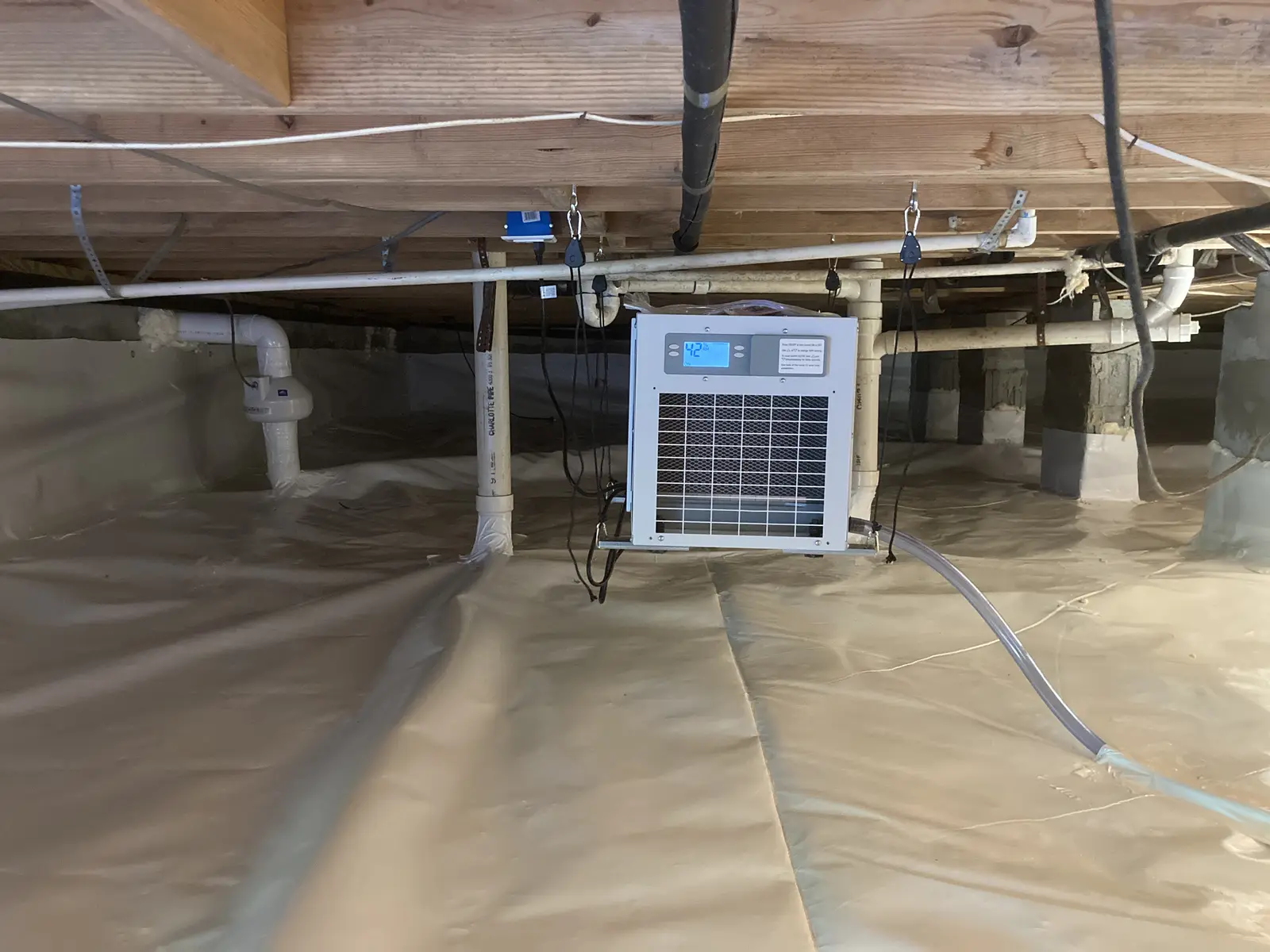
Crawl space encapsulation is a sealed system, not a sheet of plastic laid on the dirt. A heavy vapor barrier liner covers the ground and runs up the foundation walls, the seams are sealed, the vents are closed off, and the air that remains under your house gets controlled instead of ignored.
A complete job usually starts with cleanout. Old fiberglass batts that have absorbed years of moisture come down first, because wet insulation holds water against the framing it was supposed to protect. Ground Up handles crawl space insulation removal as part of this work. We do not install or replace insulation, and any contractor who wants to put new batts back into a crawl space that is still damp is treating the symptom.
From there the vapor barrier installation is the core of the system. The liner is what separates your framing from the ground, which is where nearly all crawl space moisture in this region comes from.
Why Middle Tennessee Crawl Spaces Need It More Than Most
Our summers do something specific to a vented crawl space. From July into August, outside air here carries a heavy moisture load. When that air moves through foundation vents and meets the cooler surfaces under your floor, the moisture condenses on joists, ducts, and pipes. The vents that were supposed to dry the space out are what soak it.
Red clay makes it worse. Clay holds water long after a storm has passed, so the ground under your house stays damp well into a dry stretch. Homes in Cookeville and parts of Williamson County sit over limestone and karst, where water moves in ways that are hard to predict from the surface.
Then the air goes upstairs. Air in a house rises, so crawl space air ends up in your living space rather than staying put. That is why high crawl space humidity shows up first as a smell in the hallway rather than as a problem anyone sees under the house.
The Real Benefits of Encapsulating a Crawl Space
The wood dries out. That is the benefit everything else follows from. Framing that stops cycling between wet and dry stops feeding mold and stops softening underfoot.
The musty odor usually fades, because the smell was crawl space air moving up into the house. Homeowners often tell us the allergy complaints settle down for the same reason. Floors feel more solid and less cold in winter, and the space becomes usable for storage instead of a place nobody wants to open.
If you want the full picture of what a sealed crawl space does well, we cover it in detail in our guide to the benefits of an encapsulated crawl space.
The Downsides Nobody Mentions Before You Sign
Encapsulation is a real project. Crews are under your house for days, there is noise and traffic, and the material has to be carried in through whatever access your home has.
Most encapsulated crawl spaces also need a dehumidifier, and that is an ongoing commitment rather than a one time purchase. The unit needs power, it needs a drain, and it needs occasional filter service. Sizing matters more than brand. A crawl space dehumidifier has to be matched to the moisture load of a Middle Tennessee summer. Undersized units run constantly and burn out early. Oversized units cycle on and off without pulling much water. Any contractor who says any unit will do has not measured your space.
The liner also needs to stay intact. Plumbers, pest inspectors, and HVAC technicians all crawl through that space, and a torn seam quietly undoes part of what you paid for. It is worth a look once a year.
When Encapsulation Is Not Worth It
Sealing a crawl space that has standing water in it is the most common mistake we get called to correct. A liner traps water underneath it and hides the problem instead of solving it. If water is entering from grading, gutters, downspouts, or a high water table, that gets fixed first. Encapsulation goes on top of a dry crawl space, not in place of drainage.
It is also not the first move if your framing is already damaged. Rotted or sagging joists get repaired before anything gets sealed, because a liner over failing wood just makes the wood harder to reach.
And if your crawl space genuinely stays dry year round, with no condensation, no odor, and no soft spots, you do not need to encapsulate it. Some homes in this region are built and drained well enough that the space behaves. We will tell you when that is the case.
Does Encapsulation Add Value When You Sell Your Home?
It helps, though not in a way we can put a number on, and anyone who quotes you a precise figure is guessing.
What we can say is what shows up at closing. Home inspectors in Middle Tennessee open the crawl space on nearly every sale. A dry, sealed, well lit crawl space reads as a maintained home. A wet one with visible mold on the joists becomes a negotiating point, and the buyer’s estimate of what it costs to fix is almost always higher than what the work actually takes. Handling it before you list keeps that conversation off the table.
Is Your Crawl Space Urgent, Planned, or Monitor?
At every inspection we sort what we find into three groups, and we tell you which one you are in rather than treating everything as an emergency.
Urgent means active water or damage that is moving. Standing water after every rain, mold spreading across joists, or framing that is soft to the touch belongs here. Planned means the problem is real but not accelerating, and you have time to budget for it. Chronic summer humidity with no rot yet is the classic planned job, and fall is the right season to handle it because the pressure is off and crews have room in the schedule. Monitor means track it and do not spend money yet. A little condensation on pipes during one humid week, with dry framing and no odor, is a monitor item.
We do not move things up a category to close a sale. If yours can wait, we will say so.
What to Ask Before You Hire a Crawl Space Contractor
Most homeowners we meet are holding several quotes with a wide spread between them. The spread usually comes down to scope rather than luck, so ask each company the same four questions.
Ask where the water is coming from and what the quote does about it. Ask whether the crew under your house works for the company or for someone else. Ground Up uses certified in-house crews and does not subcontract, which means the people who quote the job are the people who do it. Ask how the dehumidifier was sized for your specific space. And ask what the warranty actually covers: crawl space encapsulation carries a long term warranty on the vapor barrier liner against tearing and deterioration, plus a workmanship warranty on the installation.
You can compare those answers side by side across every bid. Our crawl space encapsulation page lays out how we scope the work.
Get a Straight Answer About Your Crawl Space
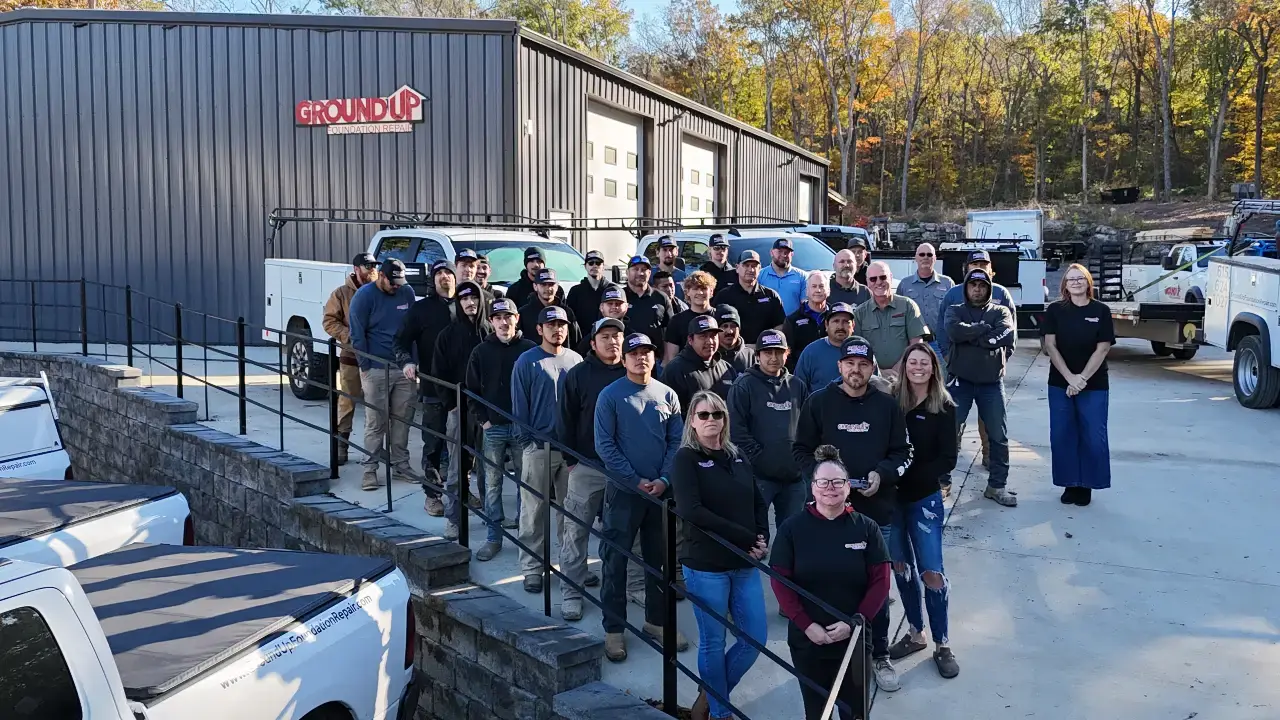
Ground Up has worked under Middle Tennessee homes since 2009, from the same Shelbyville Highway address in Murfreesboro. We will go under your house, measure what is happening, and tell you plainly whether encapsulation is the right call or whether your money is better spent on drainage first.
Schedule your free crawl space inspection by calling (615) 624-1027 or reaching out through our contact page. No pressure, no rush, and a written scope you can compare against anything else you have been handed.