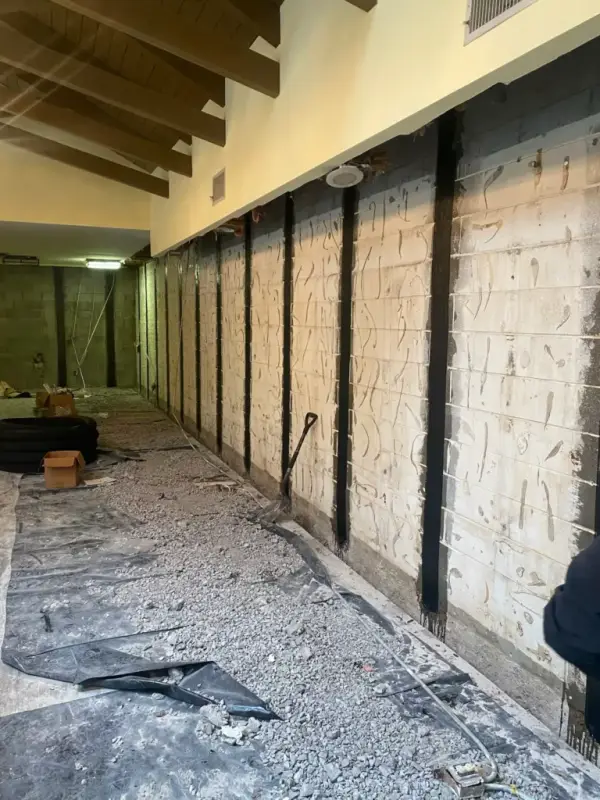
Commercial carbon fiber wall reinforcement applies high-tensile-strength carbon fiber straps bonded to the interior face of a bowing or deflecting wall, creating a rigid stabilization system that transfers lateral load to the floor slab and structural framing above. No yard excavation is required, and installation can be completed around active building operations.
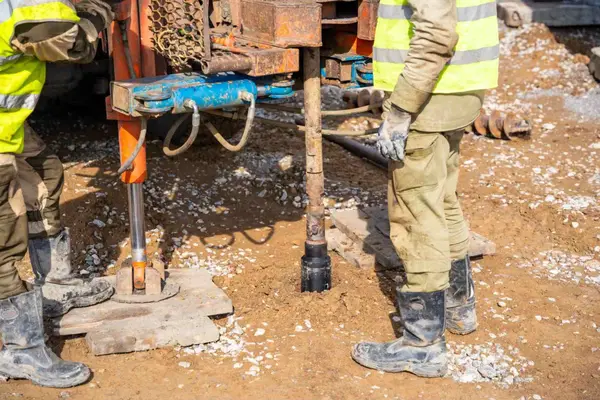
Commercial helical piers are engineered steel shaft and plate systems that transfer structural load from weak surface soils to competent load-bearing material at depth. Unlike concrete foundations that require excavation and cure time, helical piers are installed with minimal site disturbance, provide immediate load capacity verified by torque correlation, and can be installed in virtually any weather conditions.
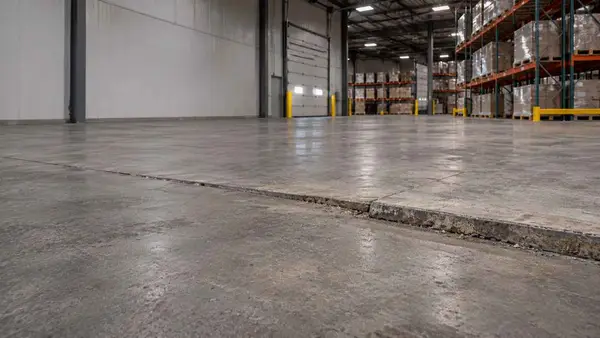
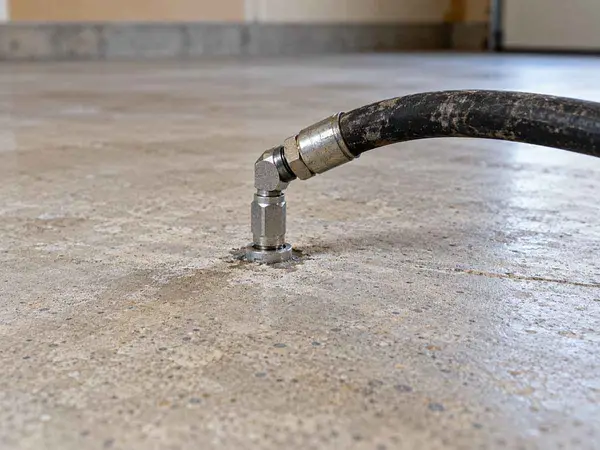
Commercial slab lifting restores settled concrete to its original elevation by injecting expanding material beneath the slab through small-diameter access holes. No demolition, no removal of the existing concrete, no extended facility downtime. Ground Up Foundation Repair uses high-density polyurethane foam for most commercial slab lifting applications, because it expands quickly to fill voids and lift slabs, adds minimal weight to the subbase, and cures within minutes.
Commercial polyurethane foam injection is the preferred method for lifting settled commercial concrete, filling voids beneath slabs, and stabilizing weak near-surface soils when speed, minimal disruption, and return-to-service time are priorities. The two-component foam expands on injection to fill voids and generate controlled lifting force beneath concrete. It cures to a rigid, load-bearing solid within minutes.
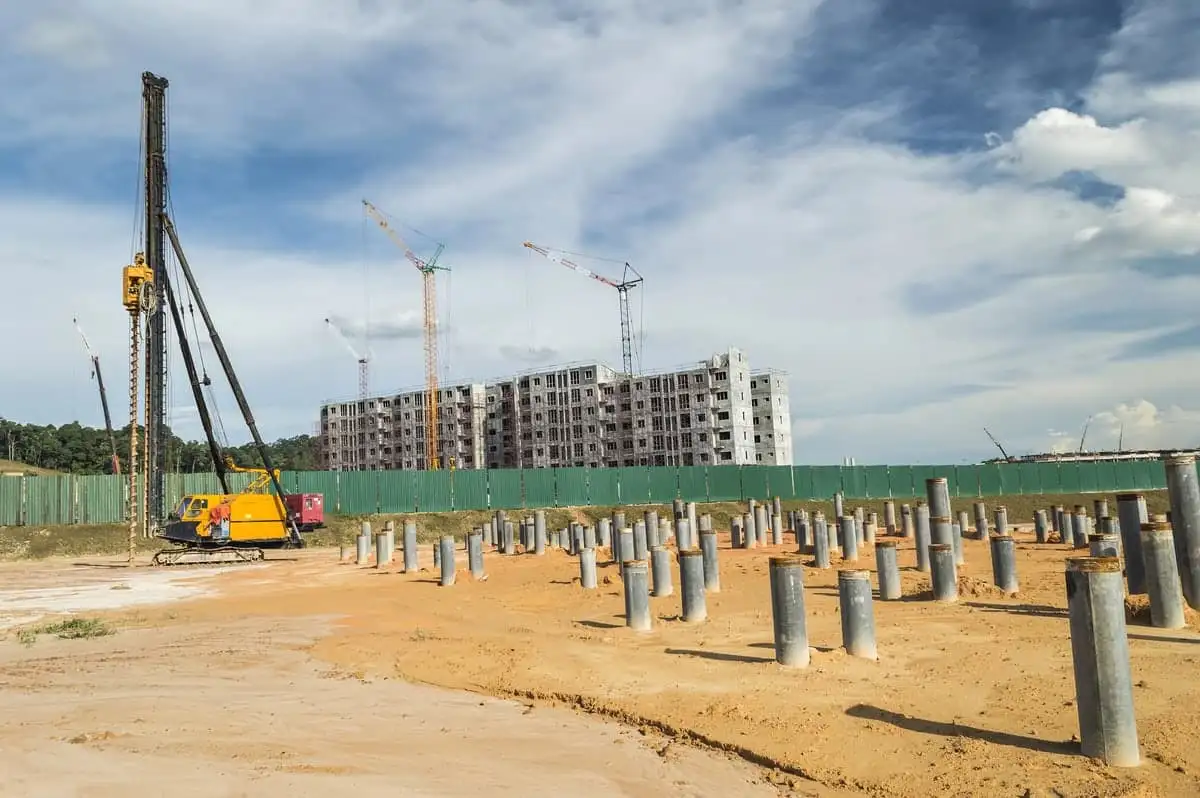
Pre-construction pier systems install engineered helical pier foundations beneath new construction footings before concrete is poured. By anchoring the foundation to competent load-bearing soil or bedrock at depth, pre-construction piers eliminate the settlement risk that standard shallow footings face in Middle Tennessee's variable clay and limestone terrain.
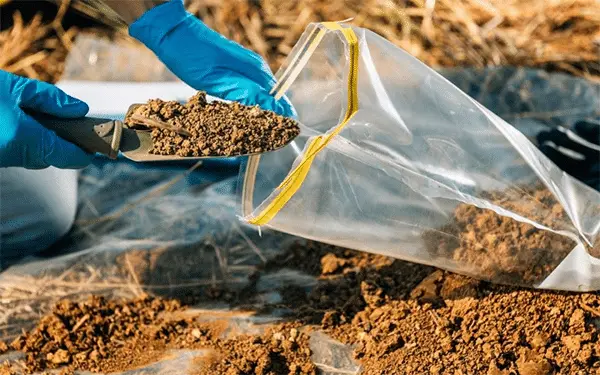
Agricultural soil stabilization addresses the weak or compressible subsoil conditions that cause foundation settlement beneath grain bins, farm buildings, and rural structures in Middle Tennessee. Rather than excavating and replacing poor subsoil, stabilization injects or introduces binding material into the soil in place, improving its load-bearing capacity and reducing its susceptibility to moisture-driven settlement.