Can Drought Cause Foundation Problems in Middle Tennessee?
Dry weather can shrink Middle Tennessee clay soil and let a foundation settle. Learn the signs to watch for, what can help, and when an inspection makes sense.
Yes, drought can cause foundation problems. When the ground stays dry for weeks, the clay soil under many Middle Tennessee homes can shrink. As it shrinks, it can pull away from the footings and leave parts of the foundation with less support. The house may then settle unevenly, and that movement can show up as cracks, uneven floors, or doors that start to stick.
Not every dry spell damages a home, and not every crack after a dry summer is serious. This guide explains why dry weather affects foundations here, which signs are worth a closer look, what you can do around your home, and when it makes sense to have someone inspect it.
How Can Drought Cause Foundation Problems?
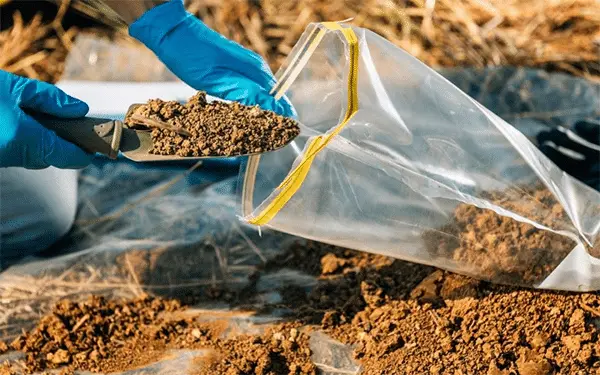
A foundation depends on the soil underneath it for support. In much of Middle Tennessee, that soil is clay. Clay holds water, and its volume changes with how much water it holds. It swells when it is wet and shrinks when it dries out.
During a long dry stretch, the clay loses moisture and shrinks. The soil can pull back from the foundation walls and from the footings below them. Where the support under a footing drops away, that part of the house can settle slightly. Other parts of the house may stay where they are, because the soil under them did not dry out as much.
Uneven movement is usually more of a concern than even movement. A home that settles a little and evenly may show few signs. A home where one corner drops more than the rest is more likely to crack, because the structure is being pulled in two directions.
Why Does Dry Weather Affect Middle Tennessee Clay Soil?
Around Murfreesboro and much of Rutherford County, homes sit on red clay over limestone bedrock. This kind of clay is called expansive clay soil, because it expands and contracts with changes in moisture.
In a typical year, it swells during wet spring weather and shrinks during dry summer weather.
A foundation moves a little with the soil each time. Over 10 or 15 years, those small movements can add up to cracked walls, tilted floors, and doors that jam. Drought can make one part of that cycle stronger than usual, because the clay dries further than it would in a normal summer.
Ground Up saw this during the spring 2026 drought, when Middle Tennessee went 5 to 6 weeks in the middle of spring with little rain. As the red clay dried and pulled away from footings, calls about foundation settlement rose noticeably. If you want more background on how different soil types behave under a home, that post covers clay, sand, silt, and loam.
What Are the Signs of Drought Damage to a Foundation?
You can learn a good deal by walking around your home and looking at a few areas. These are the things that often change after a long dry stretch:
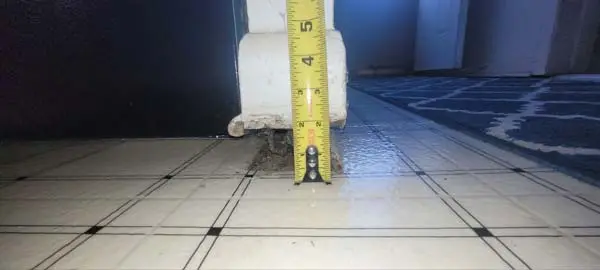
- A gap between the soil and the foundation. Look along the base of the walls outside. Clay that has dried out may pull away and leave a visible gap or a crack in the ground next to the foundation.
- New or wider cracks in brick. Cracks that step up through the mortar joints of a brick wall are a common sign of foundation movement here. The page on stair step cracks in brick shows what they usually look like.
- Cracks in drywall. Cracks that start at the corners of doors and windows, or that run from the ceiling down a wall, can appear when part of the house moves.
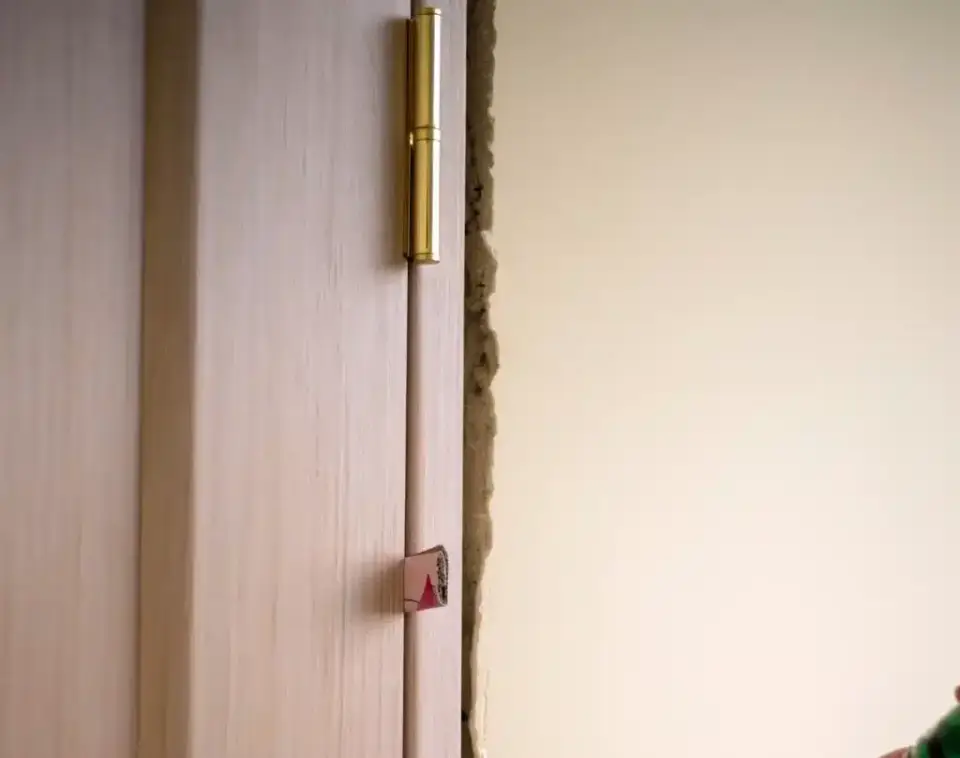
- Doors and windows that change how they work. A door that used to close easily may begin to rub or stop latching. Windows may become hard to open. If you notice doors and windows that stick more than they used to, it can point to a shift in the frame around them.
- Floors that feel uneven. A slight slope you did not notice before, or a gap opening under baseboards, may mean one area has settled.
One of these signs by itself does not prove there is a foundation problem. Wood framing and drywall can also move a little with the seasons. These checks can give you a general idea, and an inspection is still the most reliable way to know whether the foundation has settled and how much.
Does Watering Around the Foundation Help During a Drought?
It can help. Keeping the soil around the foundation from drying out completely may limit how much the clay shrinks during a long dry stretch.
During extended dry weather, Ground Up suggests running a soaker hose around the foundation for 15 to 20 minutes a few times a week. The goal is to keep the soil moisture more even, so the clay does not shrink as far as it would otherwise.
Watering has limits. It may slow further shrinking, but it cannot lift a part of the house that has already settled, and it cannot close cracks that have already formed. If you already see the signs listed above, watering is a reasonable step while you arrange an inspection. It does not replace one.
In wet weather, the goal is to move water away from the house. Clean gutters and downspouts carry roof water away so the soil next to the foundation does not stay soaked.
What Happens When the Rain Comes Back?
When regular rain returns, the clay takes on water and begins to swell again. Some cracks may narrow, and a door that was sticking may start working normally again. That can make it seem as though the problem fixed itself.
Often the movement has only reversed for a while. The next dry spell can shrink the soil again, and each cycle can move the foundation a little more. Foundation movement tends to get worse over time, so a crack that opens every summer and closes every spring is worth having someone look at, even if it seems minor today.
Do Drought Cracks Always Need Repair?
No. Many times, small cracks after a dry summer are cosmetic, and some foundations move very little.
At an inspection, Ground Up sorts what it finds into three groups:
- Urgent: something that should be handled now, such as active water coming in or wall movement that can be measured.
- Planned: a real problem that is not getting worse quickly and can be addressed within the year.
- Monitor: something to keep an eye on that does not need repair yet, such as a cosmetic crack or one that is not changing.
If something can wait, the inspector will say so. A hairline crack that stays the same size from season to season usually falls in the monitor group.
How Is Foundation Settlement From Drought Repaired?
When part of a home has settled because the soil under it shrank, the usual repair is to support the foundation on something deeper than the clay that keeps changing. This is called underpinning, and it is usually done with steel piers.
Helical pier systems use a steel shaft with helical plates that screws into the ground to support the foundation. Steel push piers are driven into the ground. Both are installed below the active clay zone, the layer of soil that swells and shrinks with the weather, until they reach stable bearing. Once a section of the foundation rests on piers, wet and dry cycles in the clay above should have much less effect on it.
Which type of pier fits a home depends on the house, the soil, and how the foundation has moved.
Ground Up’s own certified crews do the work, and the same team that quotes the job installs it. For larger jobs, Ground Up also offers an optional independent structural engineer review. The engineer is not part of Ground Up, and if you move forward, the engineer’s fee is credited back on the bid.
When Should You Schedule a Foundation Inspection After a Dry Spell?
An inspection is worth scheduling if you notice new cracks, cracks that are getting wider, doors or windows that suddenly stick, or a gap opening between the soil and the foundation. It is also reasonable if you are buying or selling a home after a long dry stretch and want to know where things stand.
Ground Up offers a free foundation inspection with no pressure to sign anything. The inspector looks at the soil, the foundation, and the signs inside the house, explains what is causing them, and gives you a written quote if repair makes sense. You set the pace from there.
Ground Up is a family owned company that has worked from the same Shelbyville Highway address in Murfreesboro since 2009, and it provides foundation repair across Middle Tennessee. To schedule your free foundation inspection, call (615) 624-1027 or send us a message online.