Different Ways To Stabilize a Foundation
A foundation is a very important part of any house. In any case, the structural integrity of your house largely depends on the foundation that is built on. That is why you should pay attention when it is being constructed or repaired.
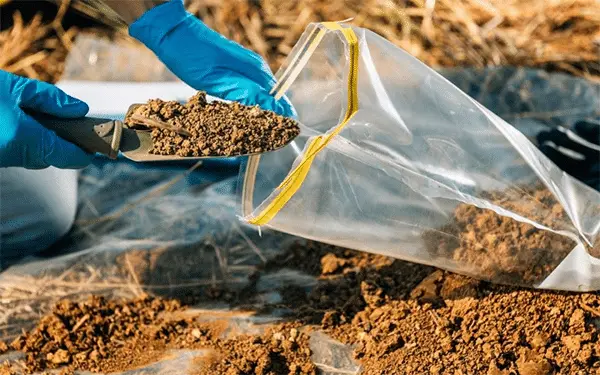
The strength or integrity of a foundation largely depends on the person building it and the method being used. Additionally, the strength of the soil underneath also plays a big role in determining the integrity of a foundation.
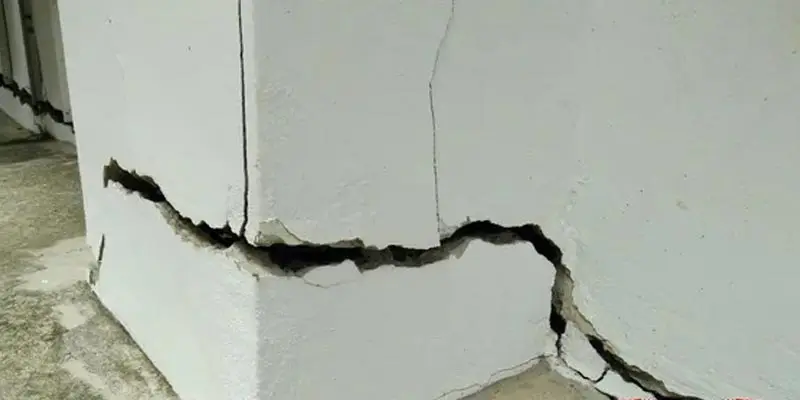
You should always keep an eye on your foundation for any signs of cracks or water leaks. But sometimes it might be difficult to know whether your foundation needs repair or not. It takes an experienced professional to inspect and see if there are any issues with your foundations.
Signs that your foundation needs repair
Before you contact a repair professional, there are a few visible signs that can help you know is there is a problem with your foundation or not:
• Horizontal cracks and stair-step
• Newly sticking windows and doors
• Gaps around garage doors
• Nail pops
Foundation Stabilization Techniques
Previously, foundation stabilization simply meant raising a house off its footers and filling in concrete to level the area. However, a lot has changed and today there are different types of foundation stabilization.
Ground Up performs these repairs as foundation underpinning with steel piers, which is the method described below.
Steel piers
This is one of the most preferred foundation repair methods. It is highly recommended by structural engineers because it has a proven record of stabilizing foundations that are sinking or shifting to unstable ground. The main purpose of this method is to avoid more settlement.
This method makes use of galvanized steel pipes coated with epoxy and connected to each other. The contractor uses a hydraulic ram to push the steel piers deep into the foundation to provide your house with maximum support.
Concrete Press Piers
Concrete piers don’t require time to harden like poured concrete. Nonetheless, they are not attached to the foundation as is the case with steel piers. This makes it easy for concrete piers to sink or tilt as time goes by. It is a less expensive method but will probably call for another repair in the near future.
Steel Piers
Steel piers are just steel pipes comprising of spiral blades on the lower parts. The front side of the foundation piers has helixes attached to them so as to provide the necessary bearing ability to the steel pipes.
This repair method makes it easy for the piers to be twisted into the foundation area using a hydraulic torque motor.
Foundation piers are great because they are connected to the ground with the help of a metal head assembly. The piers are then tested with extra weight than they can ever hold.
After passing the weight test, it will be an indication that the steel pipes have what it takes to support the foundation.
Concrete Piers
Concrete piers have also become a common method of repairing foundations. They are created by pouring concrete inside holes that have been drilled beneath the existing foundation of your house. Most people avoid this repair method because it is labor-intensive and a lot messier.
It takes approximately three weeks to complete the installation process. The concrete takes time to harden and should be allowed to do so without any interference. The house is then lowered into the concrete after it has hardened enough.
Polyurethane Foam Lifting
This repair method is used to raise sunken concrete slabs. It is appropriate for repairing things like garage floors, basement floors, and sidewalks.
It works by drilling small holes into the concrete slab and injecting expanding polyurethane foam beneath it. The foam fills the voids, lifts the slab back toward level, and cures in minutes.
Although we have discussed several repair methods, a professional will be best placed to advise the most appropriate one. For sunken slabs, Ground Up lifts the concrete with polyurethane foam. Call Ground Up Foundation Repair today for all your foundation repair needs.

Written by
Derek Veselich
Co-founder, Ground Up Foundation Repair, Waterproofing and Concrete Leveling
As the Co-founder of Ground Up Foundation Repair, Waterproofing and Concrete Leveling, Derek Veselich has built his career and this company on one simple principle: do the job right the first time. With more than 15 years of experience in foundation repair and waterproofing, Derek is deeply committed to protecting Middle Tennessee homes from the ground up.
More about Derek