Why Do Retaining Walls Fail?
Water trapped behind the wall is the most common cause of retaining wall failure. Other causes, warning signs, and how a leaning wall can be repaired.
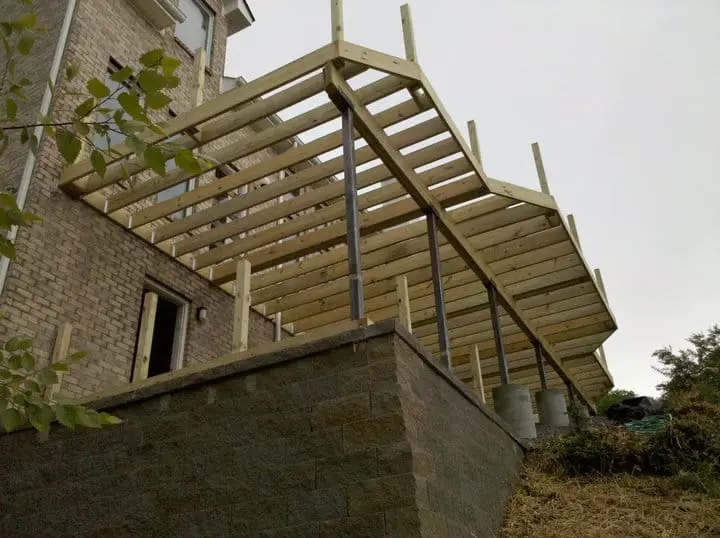
Retaining walls usually fail because of pressure from the soil and water behind them. Water that cannot drain away is often the biggest part of that pressure, and it can build up quickly after a heavy rain.
This guide explains what a retaining wall holds back, why water behind the wall matters so much, the signs that a wall may be in trouble, and the ways a failing wall can be repaired.
What Does a Retaining Wall Hold Back?
A retaining wall holds soil in place where the ground changes height. Many homes in Middle Tennessee have them along driveways, around patios, or at the edge of a sloped yard. Some are low garden borders. Others hold back several feet of soil next to a driveway, a patio, or the house itself.
The soil behind the wall is always pushing on it. On a dry day, that push comes mostly from the weight of the soil itself. After a rain, the soil gets heavier as it holds water, and the push can increase. A wall that handles the dry soil well may struggle when that same soil is soaked.
Why Does Water Behind a Retaining Wall Cause Problems?
Pressure from water trapped behind the wall is one of the most common causes of retaining wall failure. This pressure is called hydrostatic pressure. When water collects in the soil and has nowhere to go, it presses on the back of the wall along with the soil.
Many retaining walls are built with a way for water to escape, such as gravel behind the wall, a drain pipe at the base, or small openings through the wall called weep holes. Over time, those paths can fill with silt, roots, or debris. When that happens, water may stay behind the wall after every storm.
Middle Tennessee’s red clay adds to the problem. Clay holds water for a long time and drains slowly, so the soil behind a wall can stay wet and heavy well after the rain stops.
Can Heavy Rain Make a Retaining Wall Collapse?
It can. A long, heavy rain can soak the soil behind a wall faster than it can drain. If the wall was already leaning, cracked, or poorly drained, that extra load may be enough to push part of it over. Callers sometimes describe an older wall that held up for decades and then gave way after a big storm.
Water from uphill can also play a part. On hilly lots, such as many in Franklin and the rest of Williamson County, water tends to collect on the downhill side of a property. A retaining wall on that side may carry more water than a similar wall on flat ground. Runoff redirected from a nearby driveway, roof, or yard can also send more water toward a wall.
What Other Things Can Cause a Retaining Wall to Fail?
Water is often the main cause, but other factors can contribute:
- The wall’s design. A wall that is too thin or not set deep enough for the soil it holds may start to lean over time.
- The wall’s age and material. Timber can rot, and older stone or block walls can shift as mortar or backfill wears away. Ground Up’s guide to the types of retaining walls explains how common wall materials differ.
- Soil movement. Clay soil swells when it is wet and shrinks when it dries out. That repeated movement can loosen a wall over many seasons.
- Extra weight near the top. A driveway, parked vehicles, or a structure close to the top of the wall can add to the load it carries.
These factors often work together, which is one reason an inspection looks at the wall, the soil, and the drainage as a group.
What Are the Signs of a Failing Retaining Wall?
Some changes are easy to see from the yard. Any of these may mean a wall is under more pressure than it can handle:
- The wall leans forward or looks tilted compared to how it used to look.
- The face of the wall bulges outward in the middle.
- Cracks appear, especially cracks that grow wider or longer over time.
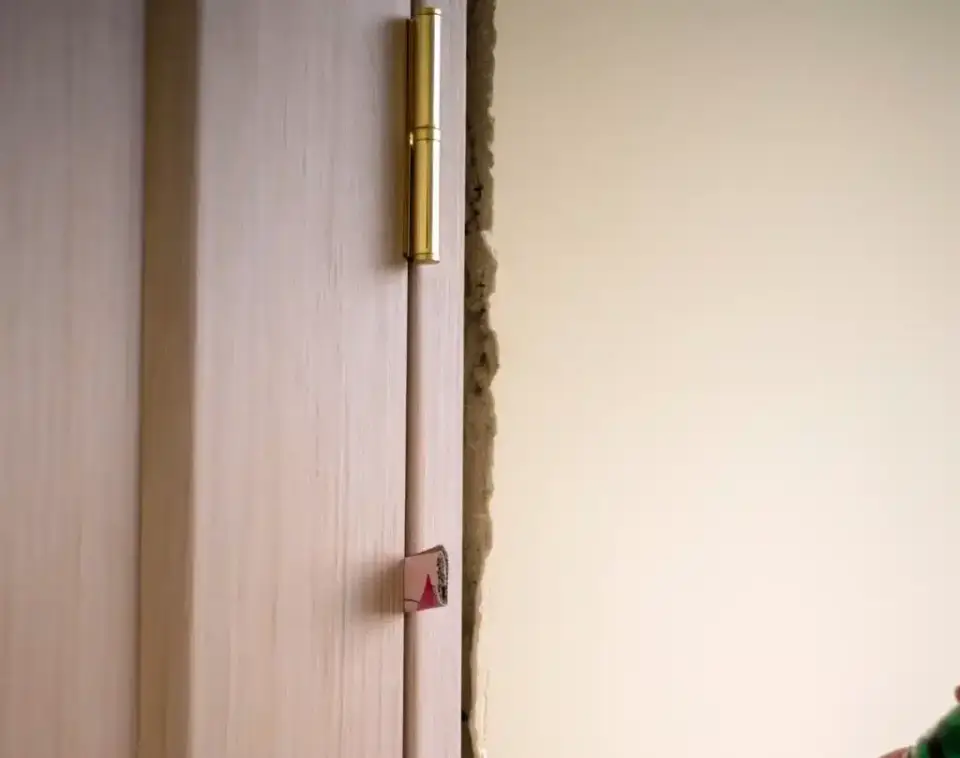
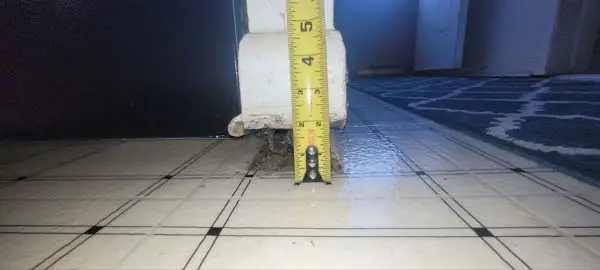
- Gaps open between the wall and a connected wall, steps, or driveway.
- Soil or muddy water seeps out at the base or through the joints.
- The ground behind the wall stays soggy or sinks after rain.
One sign on its own does not always mean a wall is failing. If you notice a lean or a crack, a dated photo taken from the same spot now and then can help show whether it is changing. An inspection is usually the best way to tell whether a change is serious or has stopped.
How Is a Leaning Retaining Wall Repaired?
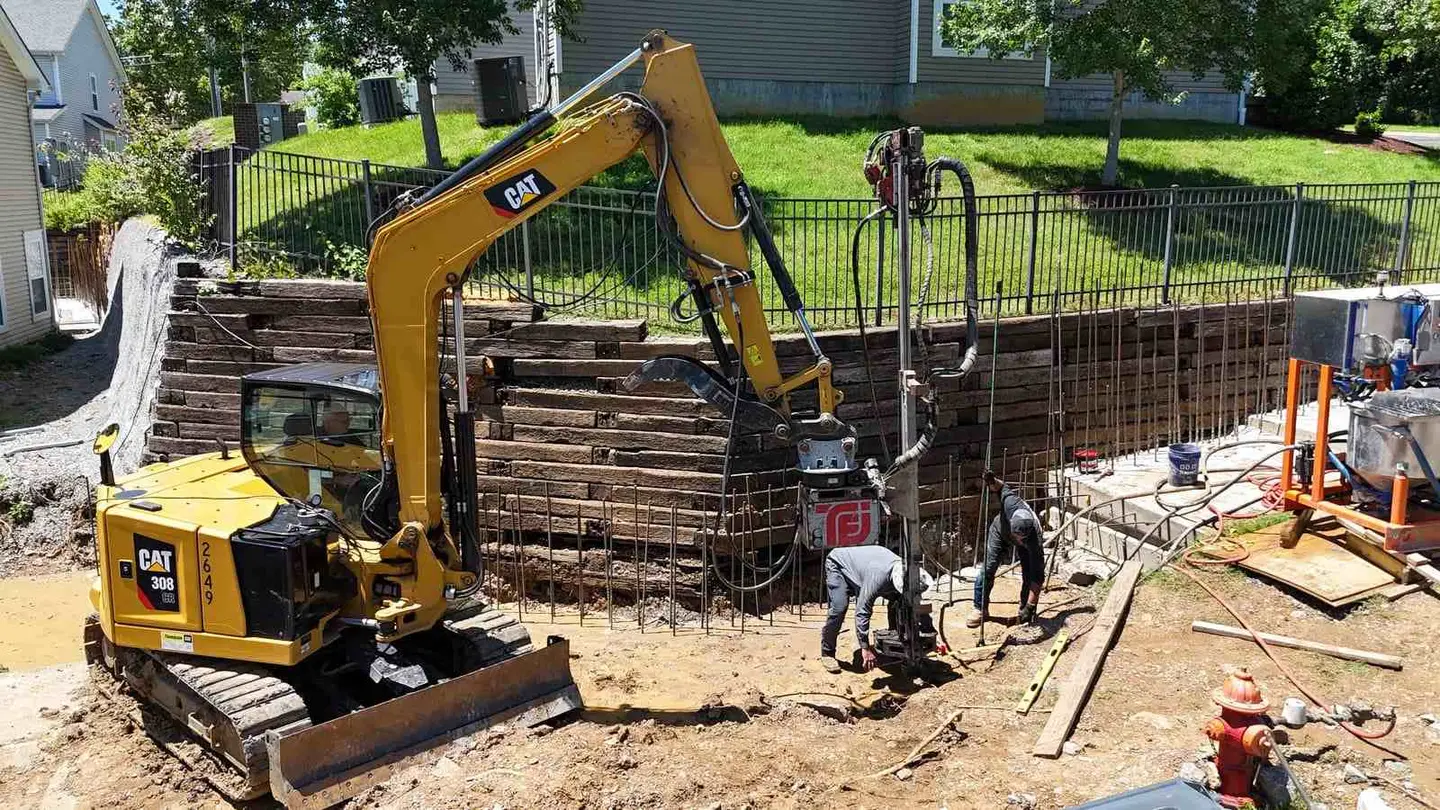
The right repair depends on the wall, the soil, and how far the wall has moved. Ground Up’s approach to retaining wall repair includes several methods:
- Helical wall anchors. Steel anchors are screwed into the soil behind the wall and fastened to the wall to hold it in place. You can read more about retaining wall anchoring systems.
- Tiebacks and soil nails. These reach into the soil behind the wall to hold it back. Ground Up’s page on tieback anchors explains how they work.
- A full rebuild. When a wall has failed badly, rebuilding it may be the better option.
Why Does Drainage Matter in a Retaining Wall Repair?
Stabilizing the wall is only part of the job. Because water pressure is such a common cause, correcting the drainage behind and around the wall is part of a complete repair. Without it, water may keep building up behind the wall after it has been stabilized.
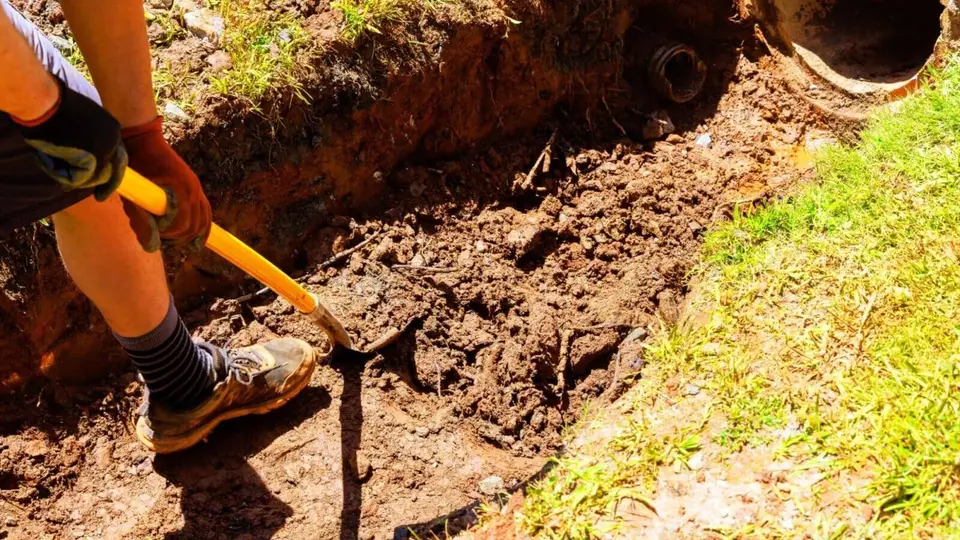
Drainage work can include restoring a path for water behind the wall, adding a drain, or reshaping the ground so water moves away from it. Yard grading corrections are one way to send surface water away before it reaches the wall. The same kind of water pressure can also push on basement walls, which may show up as bowing basement walls.
When Should You Have a Retaining Wall Inspected?
For preventative drainage assessments, fall is often a good time to have a wall looked at. It gives you a chance to check drainage and plan any work before spring, when Middle Tennessee’s red clay is often at its wettest.
At every inspection, Ground Up sorts findings into three groups:
- Urgent means it should be handled now, such as active water or measurable wall movement.
- Planned means the problem is real but not getting worse quickly, and it can be addressed within the year.
- Monitor means it should be tracked without repair for now, because it is cosmetic or not changing. If something can wait, Ground Up will say so.
How Can You Get Your Retaining Wall Checked?
Ground Up’s own certified crews handle every job, and Ground Up does not subcontract, so the team that quotes the work is the team that installs it. The same family has run Ground Up from the same Shelbyville Highway address in Murfreesboro since 2009.
To stabilize your retaining wall before the next heavy rain, call (615) 624-1027 or request a free inspection online. You will get a written quote, with no pressure to decide on the spot.